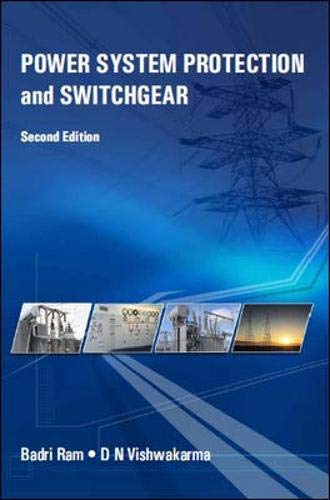
Every day, we lose nearly 40 precious lives to electrocution and electrical fires. In addition to this with these irreplaceable & tragic human losses, there is significant damage to property, equipment, and national assets. These incidents are largely preventable through awareness, adherence to standards and responsible practices. When a life is cut short by preventable electrical hazards, the ripple effect shatters the economic and emotional stability of entire households of victims. Electrical energy is the backbone of modern life—powering homes, industries, and critical infrastructure. However, its invisible and unforgiving nature makes it one of the most hazardous forms of energy when not handled with due care. As the author of this safety manual, I firmly believe that electrical safety is not merely a regulatory requirement but a moral obligation. In domestic environments, the risks often stem from lack of awareness, substandard wiring, overloading of circuits, and improper use of electrical appliances. Simple practices such as proper earthing, installation of residual current devices, and periodic inspection can prevent many such tragedies. Public awareness and adherence to basic safety norms are essential to safeguard families and homes. In industrial settings, the complexity and scale of electrical systems increase the magnitude of risk. High voltages, heavy machinery, and continuous operations demand strict compliance with safety standards, regular maintenance, and a strong safety culture. Proper training of personnel, use of personal protective equipment, and implementation of lockout-tag out (LOTO) procedures are critical to prevent accidents. Substations, transmission lines & distribution system being nodes of high energy concentration, present even greater hazards. Fault conditions, insulation failures, and human errors can lead to catastrophic incidents, including fires and explosions. Robust design, adequate clearances, reliable protection systems, and disciplined operational practices are indispensable to ensure safety in such environments. The integration of Renewable Energy, Electric Vehicle (EV) charging, and Battery Energy Storage Systems (BESS) is pivotal to a modern grid, yet they introduce unique hazards. As an author, I emphasize that sustainability must not come at the cost of safety. High-voltage DC circuits, thermal runaway risks in lithium-ion systems, and complex earthing requirements demand rigorous adherence to updated standards. Electrical safety is not the responsibility of a single individual or organization—it is a collective commitment. From policymakers and engineers to technicians and end-users, every stakeholder has a role to play. Prevention of accidents is always more effective and humane than dealing with their consequences. It is my earnest hope that this book will contribute to saving lives, protecting assets, and fostering a culture of safety across all sectors. “This book has been prepared as a practical guideline with the primary objective of educating and sensitizing general public (user of electricity – consumer and prosumer), field personnel, including workers, linemen, and supervisors, towards safe electrical practices. It emphasizes awareness, discipline, and safe working practices as the foundation of a strong safety culture.” This book is not merely a document, but a practical tool intended for everyday use in the field to guide safe decision-making and prevent accidents.” Let’s work together to make India free from electrical and fire accidents. This is not just a goal—it is a shared responsibility and a national mission.
Specifications
| Brand Name | Adhyayan Books |
| Manufacturer | Adhyayan Books |
| Item Type | Power Systems · Books |
| Package Dimensions | 18 × 12 × 4 cm |
| Category | Books › Higher Education Textbooks › Engineering Textbooks › Electrical & Electronic Engineering › Power Systems |
| Category Rank | #230,670 in Books |
| Marketplace Rating | 5.0 out of 5 (14 ratings on the source marketplace) |
| EAN | 9788169507806 |