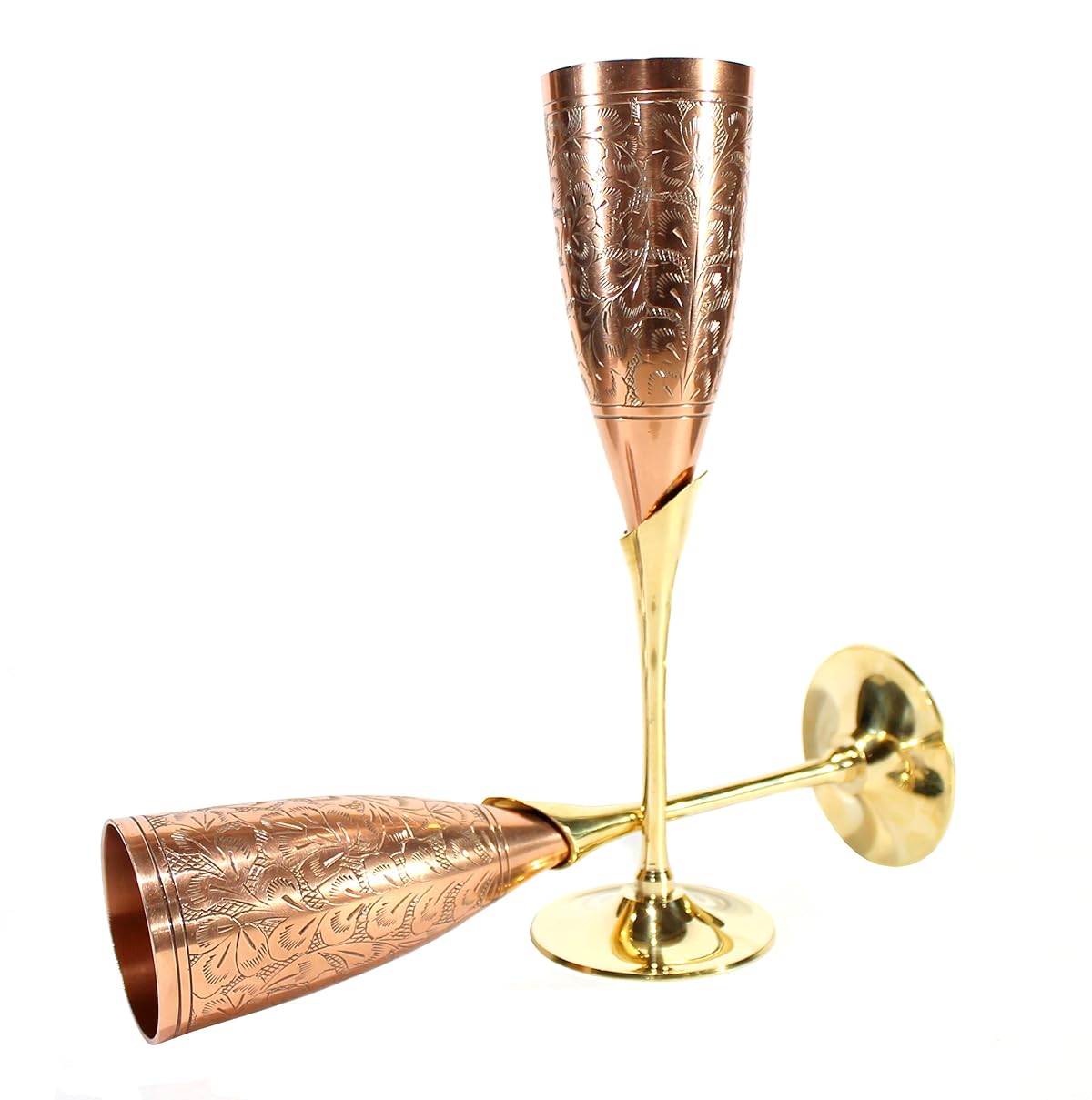
Storing drinking water in copper overnight is an old Ayurvedic practice, and copper does have a documented antimicrobial effect on stored water. What copper is not is a treatment for any medical condition, and the rules about what you can safely put in it matter more than the marketing usually admits.
The practice is called tamra jal: water left in a copper vessel for several hours before drinking. The reason it survived is not mystical. Copper surfaces kill many waterborne bacteria on contact, an effect documented well enough that copper is used for touch surfaces in hospitals, and in a household without treated water that is a real benefit. Copper is also an essential trace mineral, and small amounts leach into the water as it stands.
The limits are where honest advice diverges from the label on the box. Copper is essential in small amounts and harmful in large ones, so this is not a case where more is better. Eight to twelve hours of storage is the traditional window and there is no reason to exceed it. One vessel of water a day is what the practice describes, not every drink you take. If you have Wilson's disease or any condition affecting copper metabolism, this is not for you at all, and that is a conversation for your doctor rather than a product page.
Never put anything acidic in copper. Lemon water, citrus juice, buttermilk, vinegar and anything fermented will strip copper into the liquid far faster than plain water does, well past the amount you want to drink. This is the single most common mistake, and it is made worse by the popularity of lemon water. Plain water only.
Read the listing for two words. Joint free, or seamless, means the bottle is drawn from a single sheet with no soldered seam, which matters because solder is a different metal sitting in your water. Lacquered means the outside has been coated to stop it tarnishing, which is fine for the exterior but should never be on the inside surface. Pure copper is what you want; copper-plated steel is a different and much cheaper object.
Copper tarnishes, and that is chemistry rather than a defect. The traditional clean is half a lemon dipped in salt, or tamarind pulp, rubbed over the outside and rinsed thoroughly. Do that on the outside surface and use plain water and a soft brush inside. Never put copper in a dishwasher, and never scour a lacquered piece, which strips the coating and leaves it patchy.
Indian copperware is worth importing because it is the domestic product of a country that never stopped making it, so the range and prices are unlike the wellness-brand versions sold in the West, and hammered and antique finishes from workshops that supply the Indian market are hard to find elsewhere.
Questions people ask
- Does drinking water from a copper bottle actually do anything?
- Copper has a documented antimicrobial effect on stored water, and copper is an essential trace mineral that leaches in small amounts. It is not a treatment for any medical condition, and claims that it cures arthritis or similar are not established.
- Can I put lemon water in a copper bottle?
- No. Acidic liquids including lemon, citrus juice, buttermilk and vinegar strip copper into the drink far faster than plain water. Use plain water only.
- What does joint free mean?
- The vessel is drawn from a single sheet with no soldered seam, so there is no second metal in contact with your water. It is worth paying more for.
- How do I clean the tarnish?
- Half a lemon dipped in salt, or tamarind pulp, rubbed on the outside and rinsed thoroughly. Plain water and a soft brush inside. Never a dishwasher, and never scour a lacquered surface.